
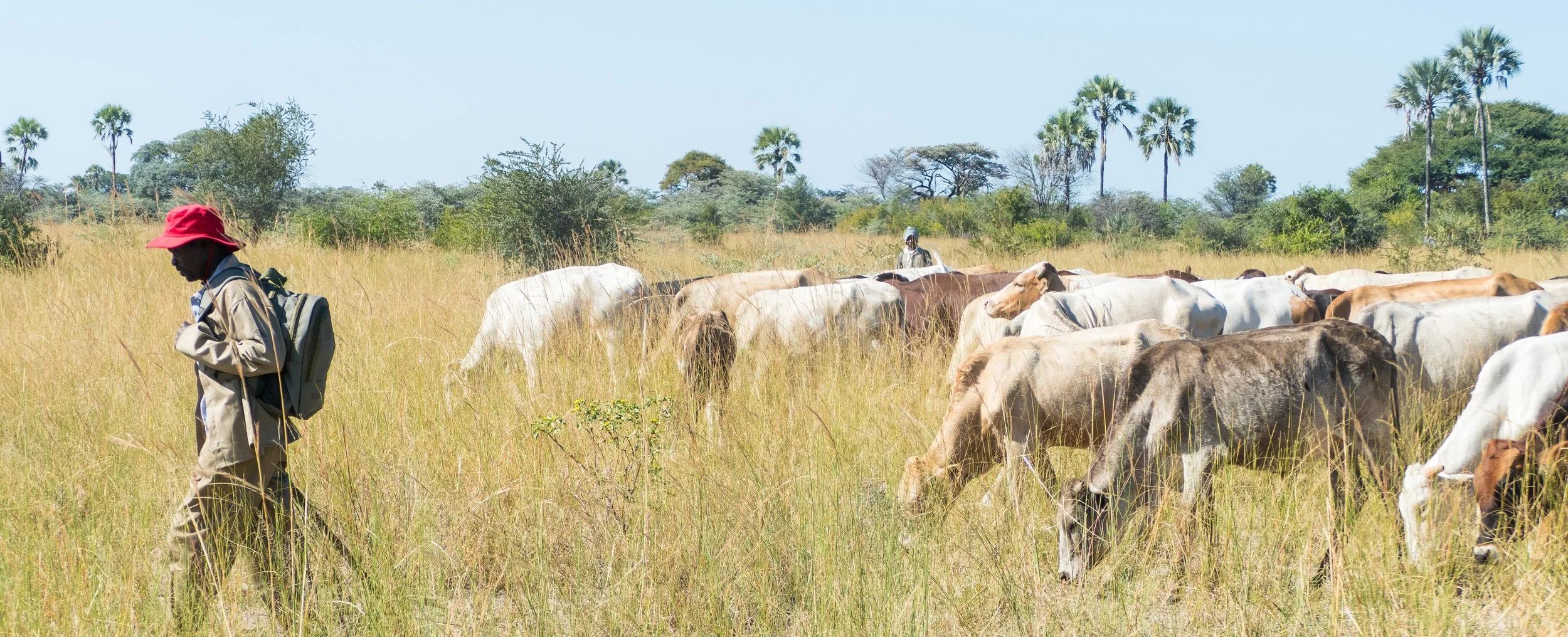
ADVANCING COMMUNITY-LED HUMAN–WILDLIFE COEXISTENCE
Wild-Link is a Botswana-based non-profit organisation delivering practical, community-led solutions for human-wildlife coexistence in northern Botswana.
Our focus is conservation practice, we translate knowledge into action by working alongside local and traditional communities, conservation partners and the public and private sectors, to reduce conflict, strengthen livelihoods, and ensure wildlife and people can thrive together.
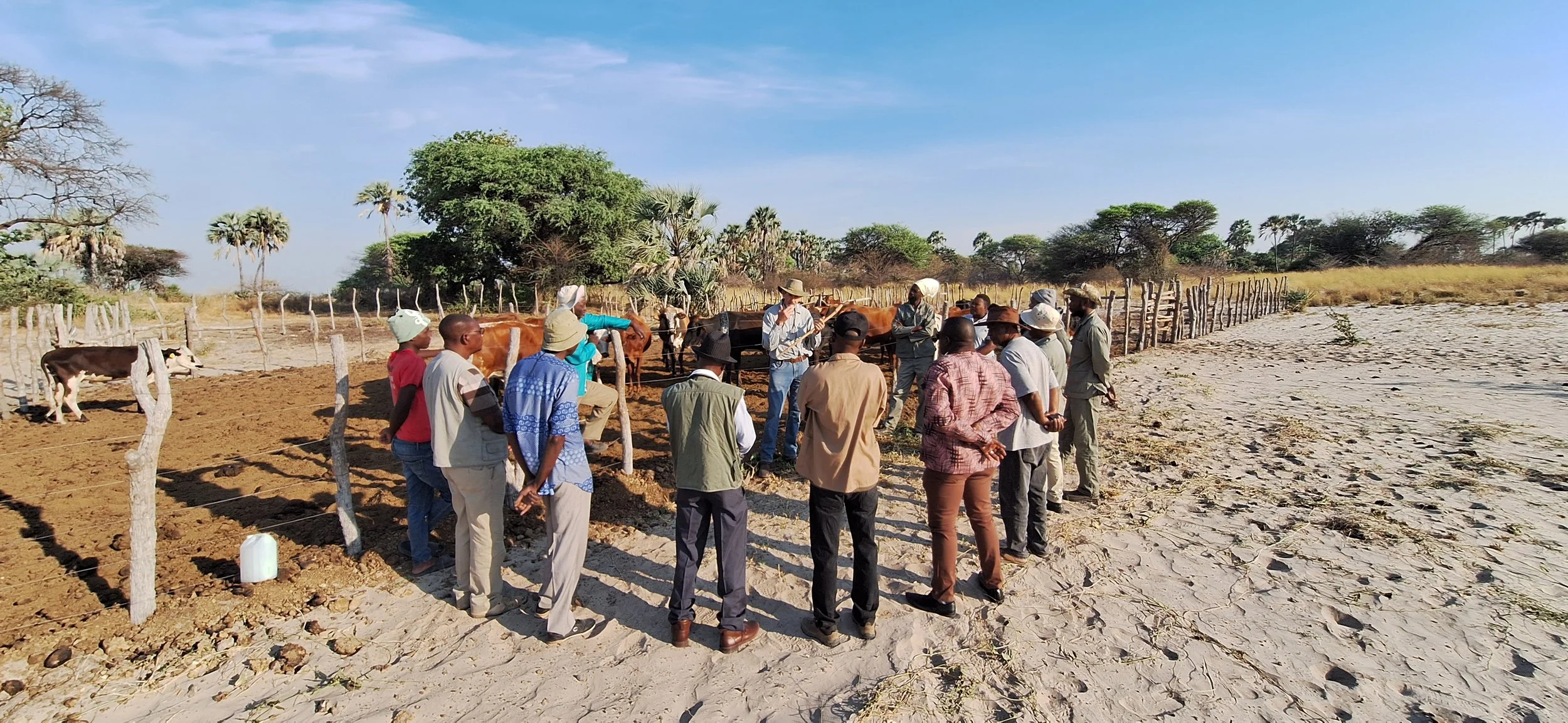
To link people with the knowledge, training and resources needed to build a sustainable future.
Our Mission
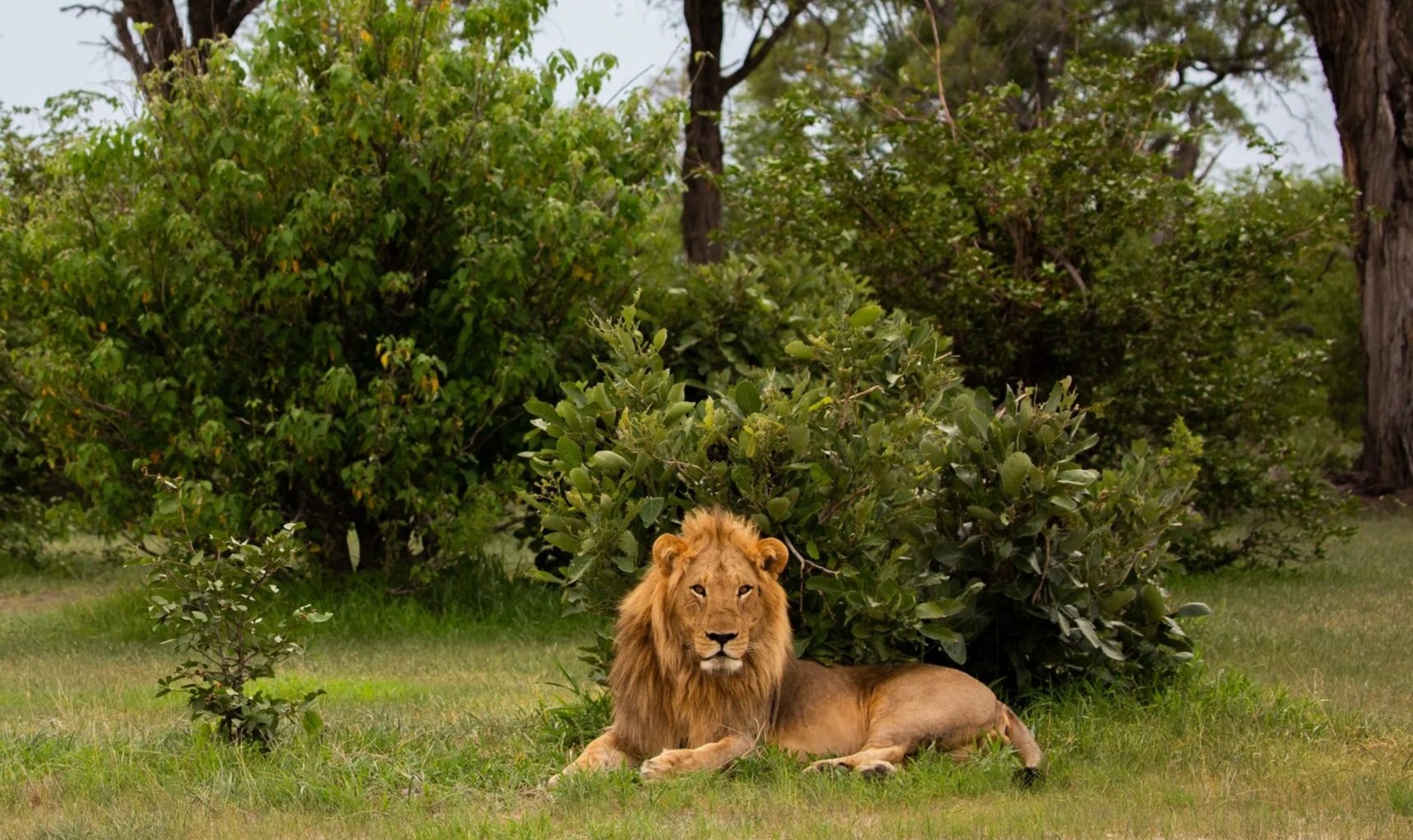
Tackling underlying causes of conflict and providing community-led solutions is key to promoting human-predator coexistence in rural farming areas. Communities that farm livestock in areas where large predators, such as lion, leopard and hyena, are prevalent can suffer both cultural and economic loss and often retaliate against those predators through fatal techniques such as shooting, snaring and poisoning.
Working directly with farmers to provide practical mitigation and improved livelihood measures, as well as at landscape and policy levels to promote long-term behavioural change, Wild-Link aims to reduce livestock losses and retaliation, encourage best-practice livestock and ecosystem husbandry and promote informed land use planning that helps minimise future conservation challenges arising.
Our Approach
COMMUNITY GUARDIANSHIP
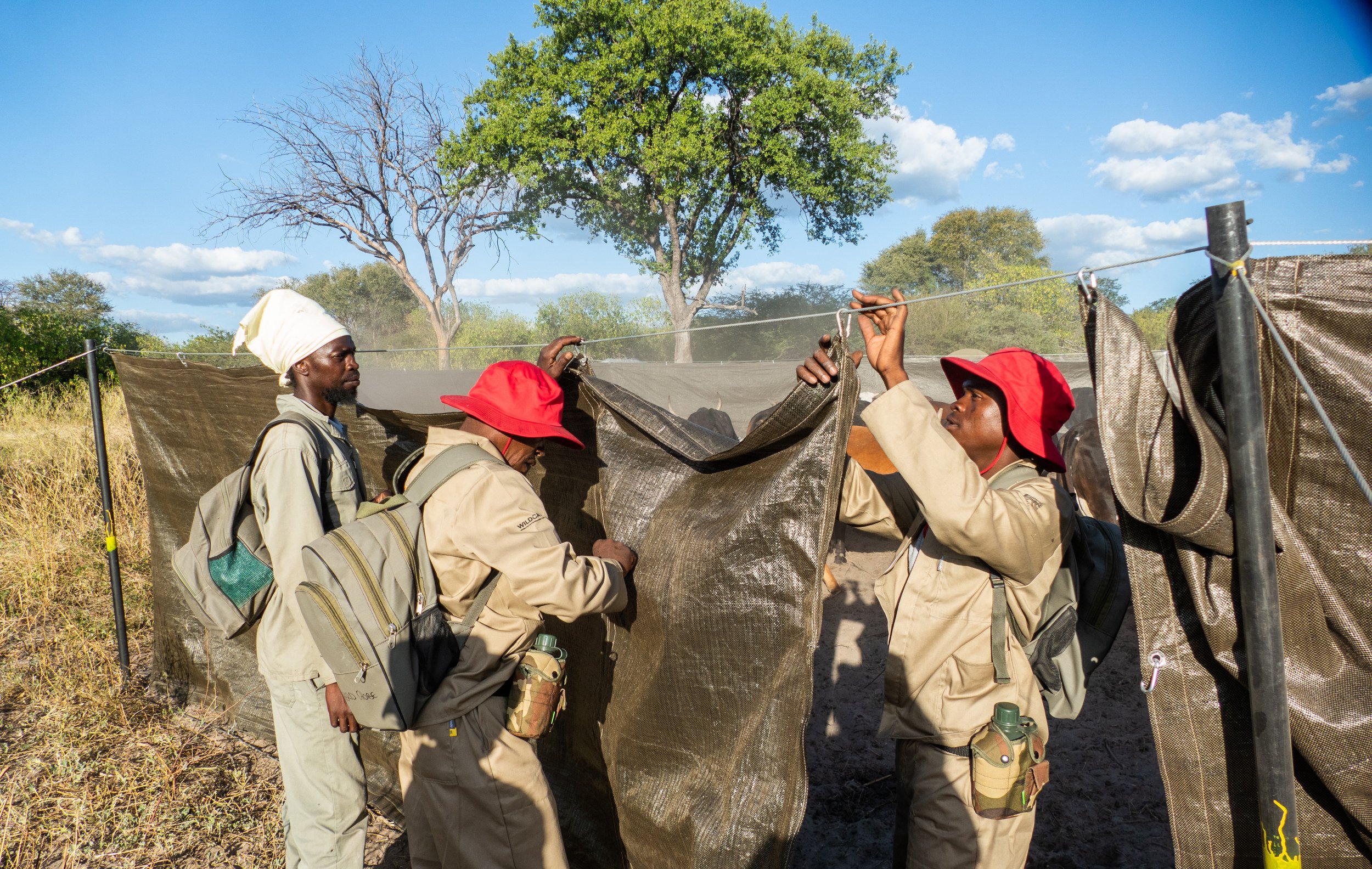
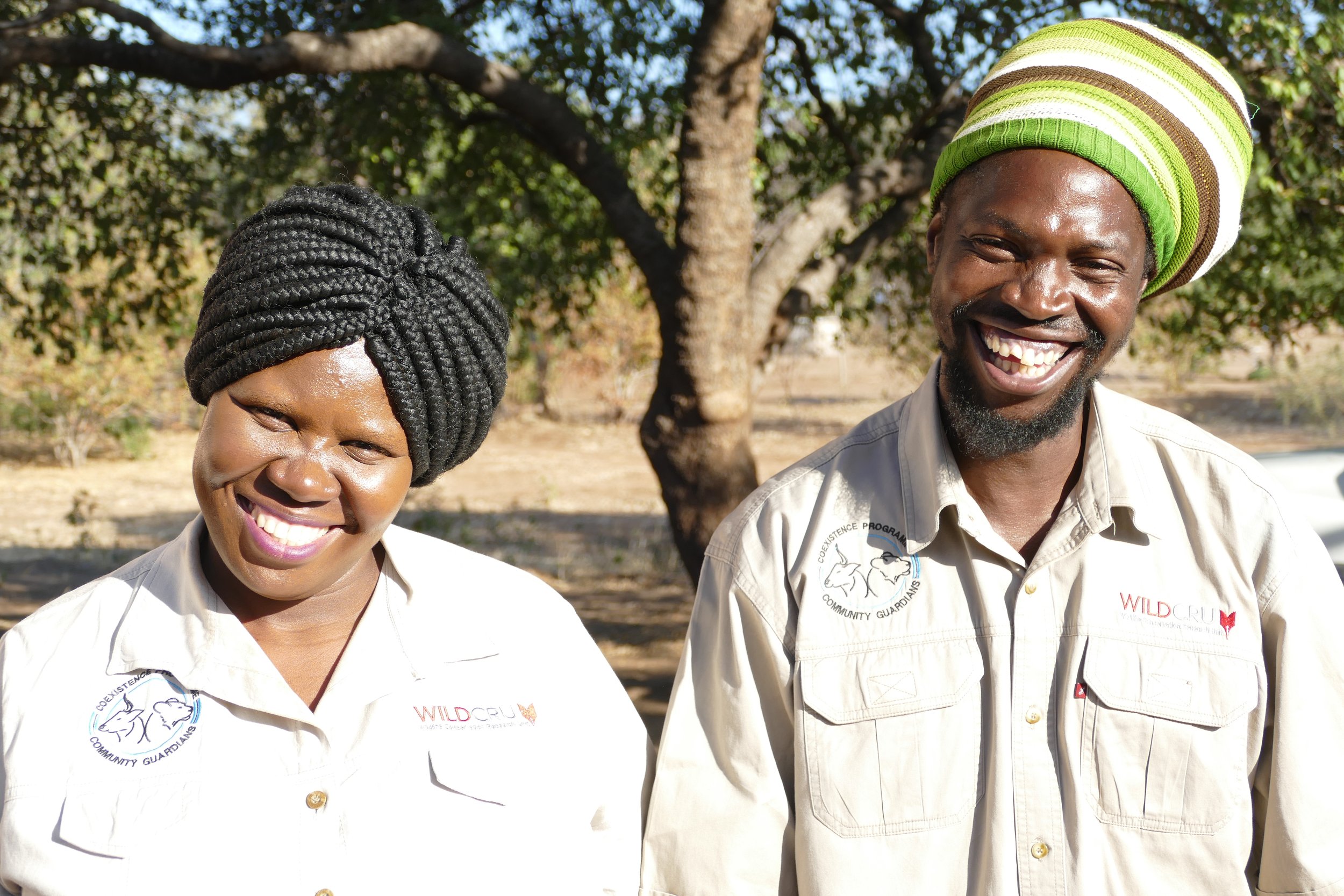
Building on the success of the well-known Lion Guardian model, our Community Guardians are locally employed community members who are provided with training and skills needed to help protect their land and livestock from predator attacks. The Guardians patrol communal grazing land, conduct spoor surveys to check for presence of predators, monitor livestock and construct predator-safe kraals. They provide representation for both community and conservation matters and advocate for best practice when it comes to livestock husbandry and environmental health.
HERDING MODEL IMPLEMENTATION
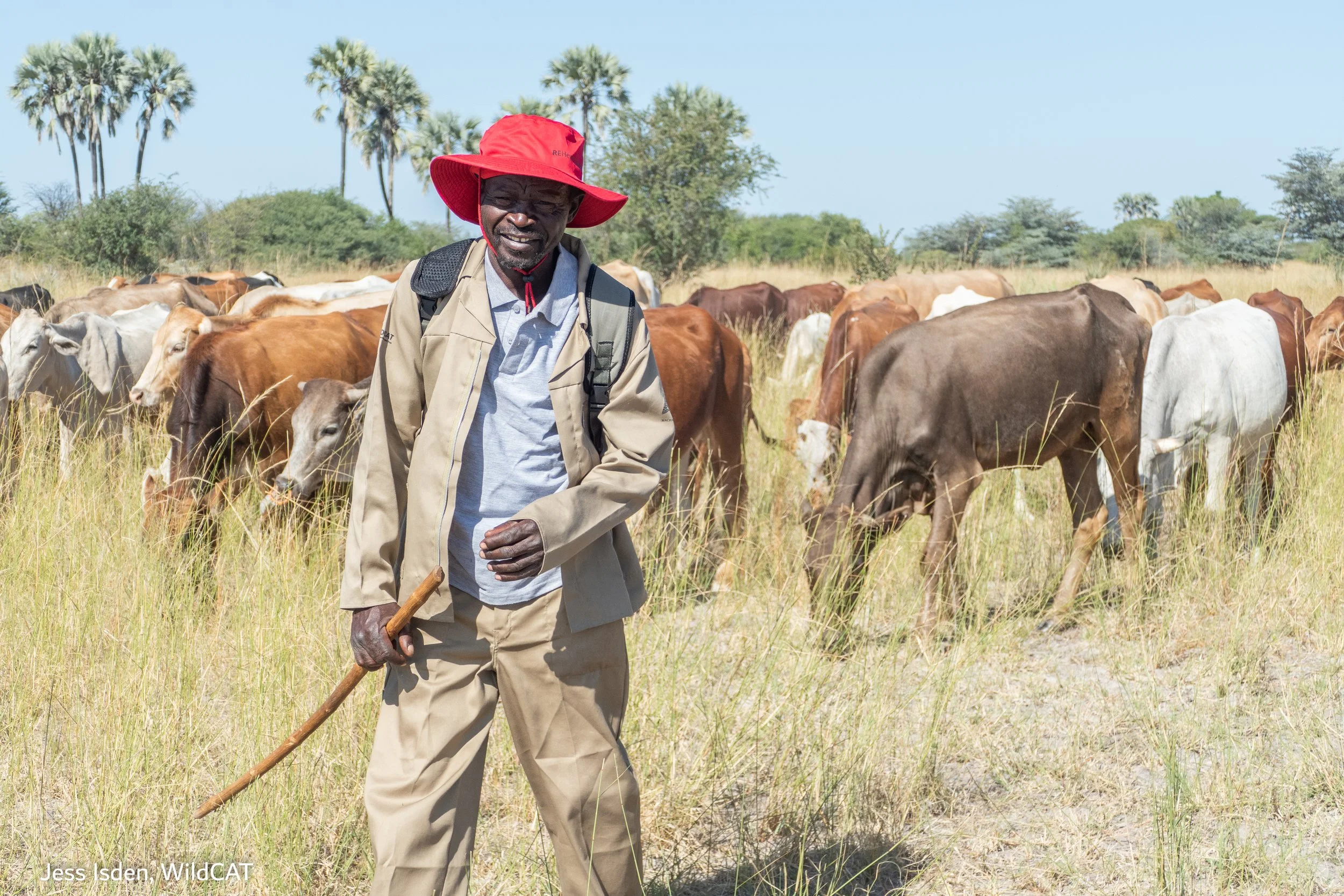
Combining traditional livestock husbandry methods of herding and kraaling with modern technology for record-keeping and monitoring allows rural farmers to halt the decline of rangelands and turn livestock into the agents for positive change. Based on a One Health paradigm, our REHerd Chobe initiative helps farmers overcome husbandry, disease management and conflict barriers through training and empowering skilled EcoHerders, who are trained in using mobile livestock-enclosure bomas, basic veterinary care and wildlife conflict mitigation. Rotational grazing regimes are informed by GIS remote sensing data and climate-smart, wildlife-friendly, holistic management helps unlock access to commodity-based trade markets. Community-led farming governance helps to develop the potential for self-sustaining, investible products, including through carbon and biodiversity credit systems.
INFORMED LAND USE PLANNING
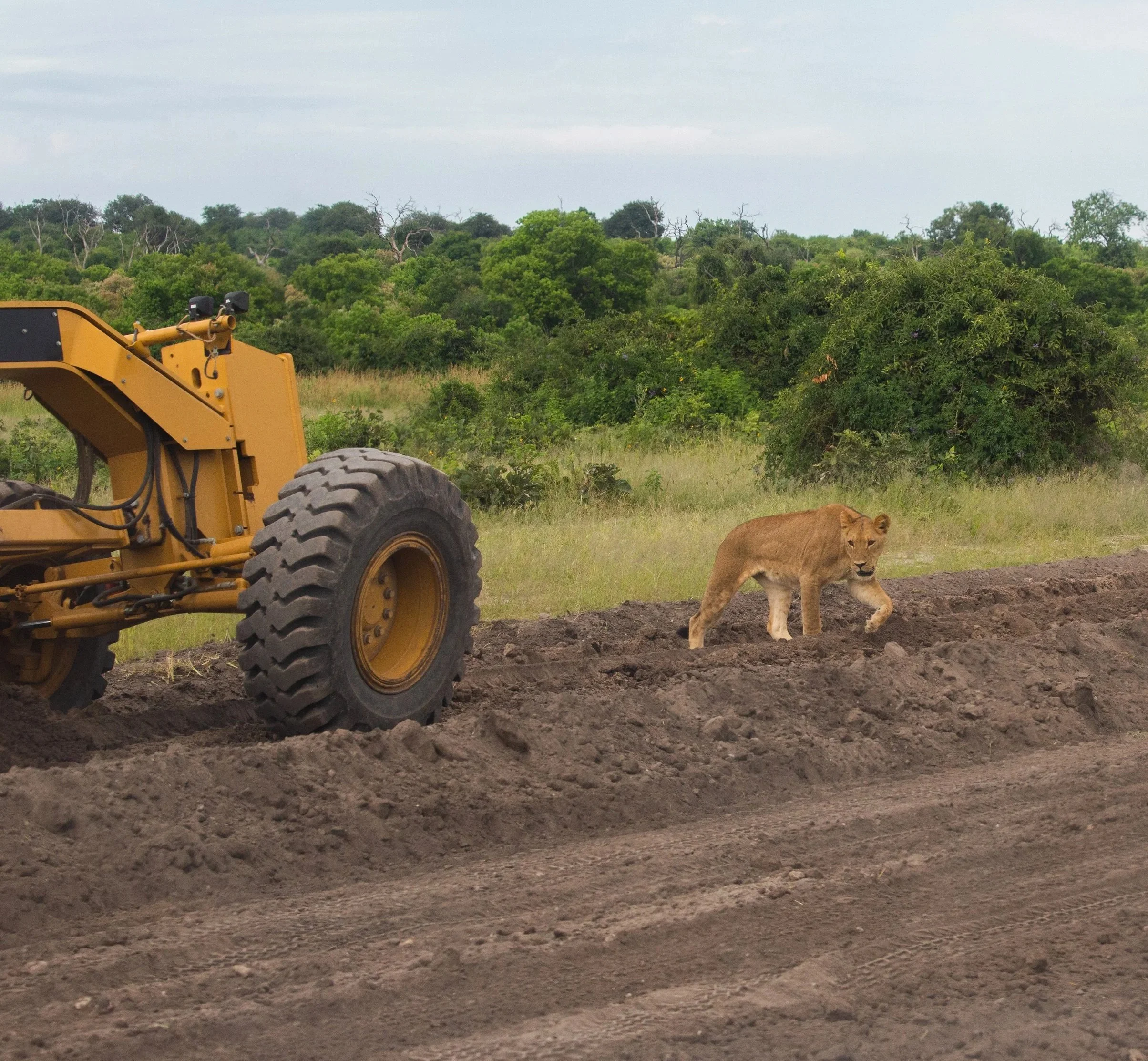
Our work contributes to conservation efforts in the Kavango Zambezi Trans-frontier Conservation Area, where linkages for wildlife between protected areas, such as National Parks and Forest Reserves, are vital. At the same time, people should be able to gain the maximum benefits from their land and prosper. Areas of human development, including residential, infrastructural and agricultural lands, often dissect wildlife connectivity pathways, and increase the risk of conflict between people and wildlife. Allocating land within or near protected areas and connectivity pathways therefore requires careful consideration and planning, using a wide range of up-to-date data and incorporating the needs of both people and animals. Our ongoing technical partnerships with land use planners helps ensure that land is allocated optimally according to local priorities and conditions.
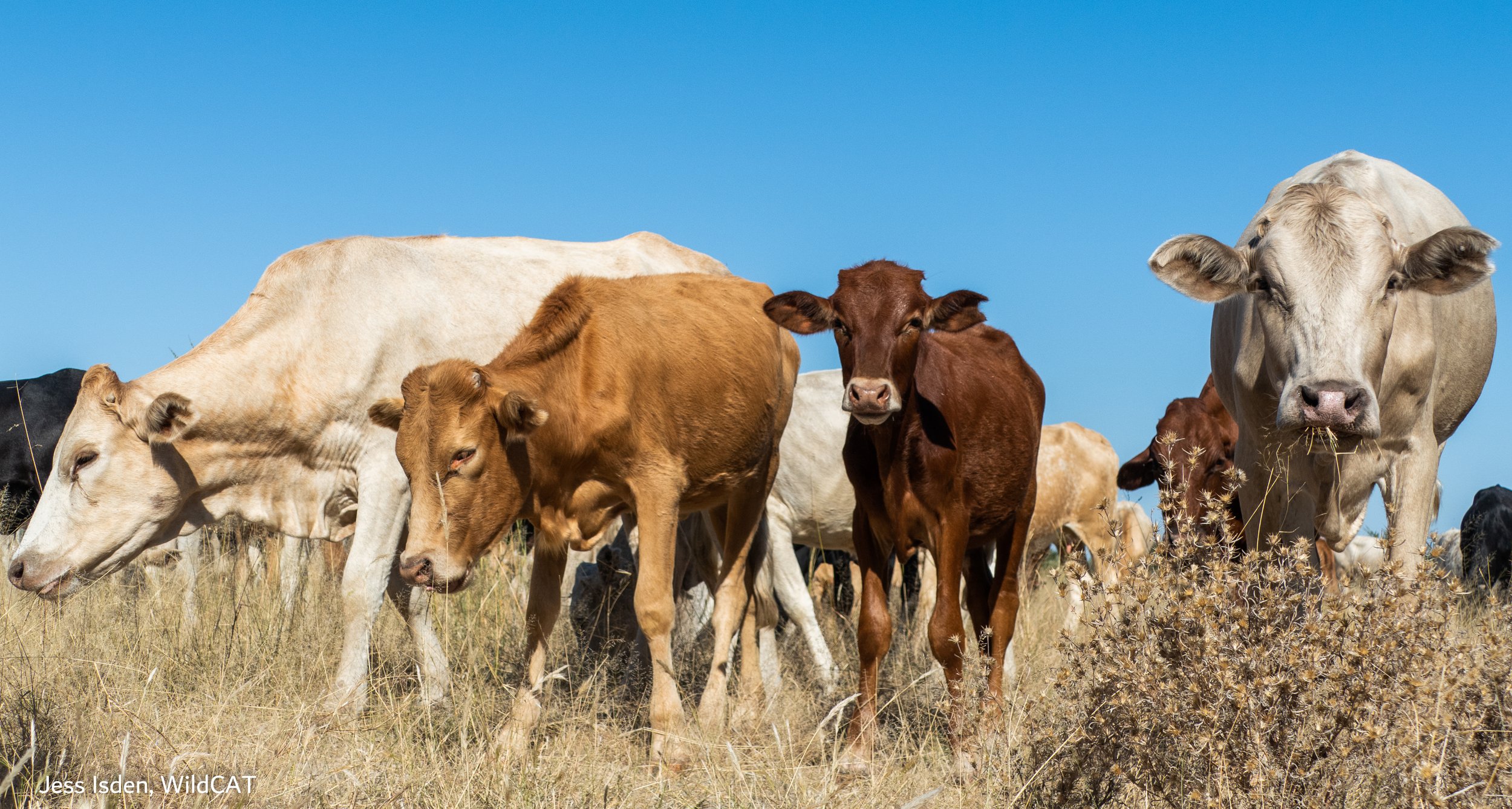
Our work is grounded in collaboration and in deep respect for the knowledge, practices, and lived experience of local and traditional communities. We design and deliver initiatives jointly with communities, government authorities, private sector and conservation partners.
Coexistence, in our context, is not the absence of conflict. It is the acceptance that people and wildlife will both experience losses, while still being able to thrive.
The ideas we apply are drawn not only from applied research and long-term field programmes, but equally from community knowledge systems, cultural practices, and local insight, which are central to understanding the social, cultural, and ecological realities of each landscape. We recognise that durable coexistence depends on trust, shared decision-making, and solutions that are shaped by those who live alongside wildlife.
GOVERNANCE AND ACCOUNTABILITY
Wild-Link operates as a non-profit Company Limited by Guarantee, overseen by a Board of Directors and supported by an Advisory Committee. Decision-making is guided by senior management, organisational policies, and external oversight to ensure transparency, accountability, and ethical practice.
Our work is underpinned by clear policies on financial management, human resources, safeguarding, animal welfare, and Free, Prior and Informed Consent (FPIC). Inclusion and fairness are embedded through community agreements, grievance mechanisms, and partner codes of conduct, standards we commit to upholding in practice, not just on paper.
We are currently developing our full website. Please come back later for more information!